
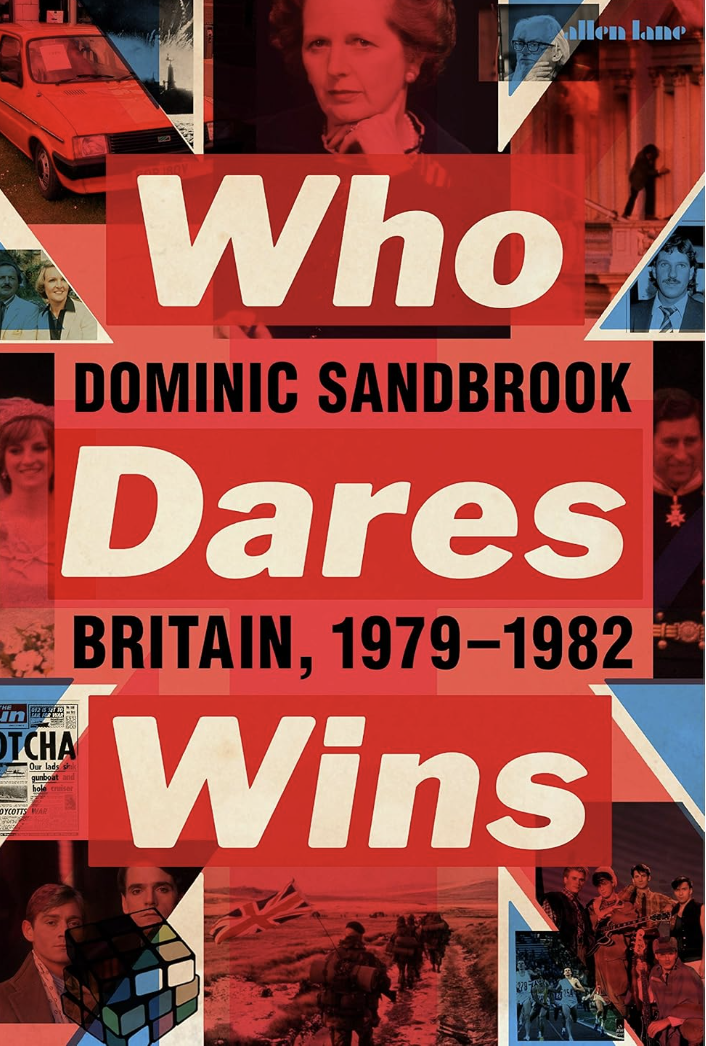
Three years ago I cut back on journalism in order to spend more time reading books. I have never regretted it. You could have wasted a lot of time reading about the US elections in ’24. Much of it hopeful thinking about a win for Kamala Harris. Interestingly Dominic Sandbrook called it right. He predicted a Trump win and is the author of my history book of the year
History book of the Year: Who Dares Wins by Dominic Sandbrook (pub: 2019)
It’s his masterpiece, focussed on just three years of the first Thatcher administration (79-82). A thick book at 800+ pages, it is trademark Sandbrook in giving you a portrait of the whole society ( Music, TV, Tech’, life as it was lived) as well as politics and economics. It reads like a novel. Geoffrey Howe emerges a man with a backbone, while Thatcher flip-flopped on the economy (not what you might have thought due to Thatcher mythology). The book closes with 100 pages on the Falklands war – a version of events that you could not have gleaned from contemporary journalism. But then truth always has been the first casualty of war. My runner up for history book of the year is Times Like These by Jenny Uglow– a Sandbrookian portrait of British society at war with France at the turn of the 18th century.
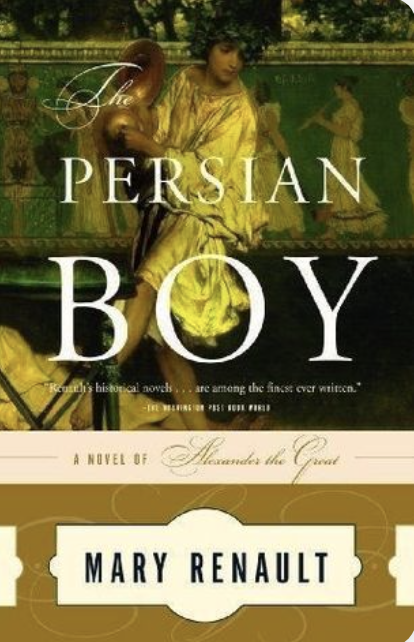
Novel of the year: Persian Boy by Mary Renault (pub 1972)
Revered by other historical novelists, I finally got round to reading it whilst on holiday in Greece. Renault read all the scholarly literature about Alexander the Great before giving us this surprising portrait from the perspective of his eunuch lover, Bagoas. There is plenty of sex and violence- the former quite coy and the latter vividly graphic. You will not find a better historical novel, although Pachinko by Min Jin Lee runs it close. I learnt much about the status of Koreans in Japanese life during and after the second world war ( The TV serialisation is also excellence)
Novela of the year: Killing Time by Alan Bennet. (Pub’ 2024)
Listen to the audiobook read by the man himself to experience his distinctive dry wit. It is set in an old people’s home as its occupants shuffle off this mortal coil and it is almost as great as Mrs Palfrey at the Claremont by Elizabeth Taylor (pub’ 1971) – a brutally funny portrait of old age and our final days. (one of my books of the year 2023)
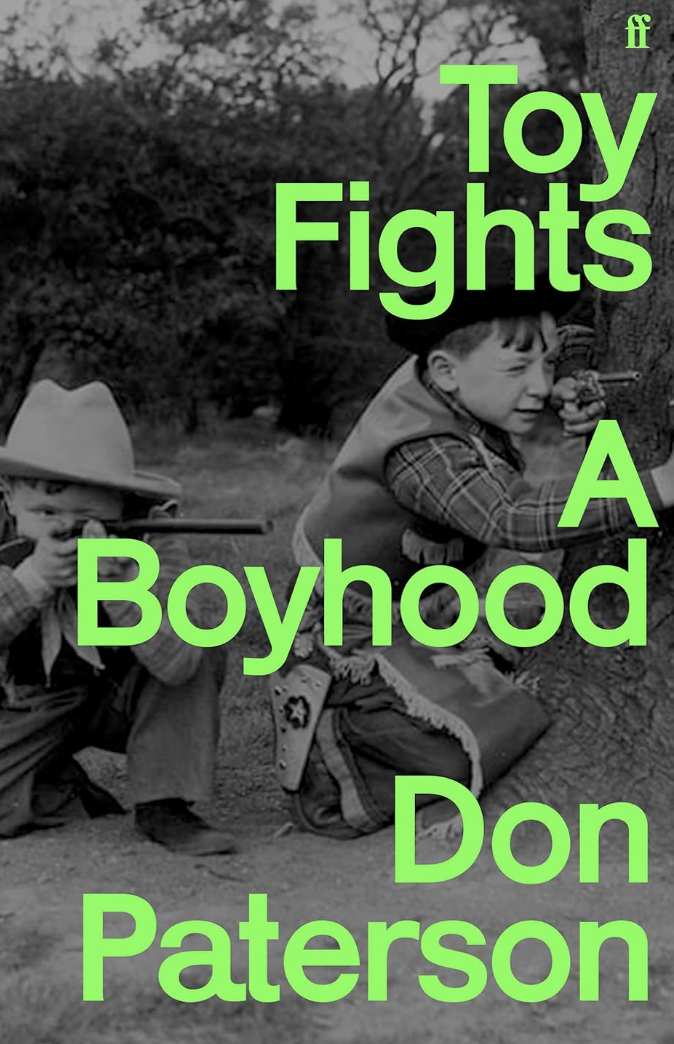
Memoir of the year: Toy Fights by Don Paterson. (Pub’2023)
At first sight this is a misery memoir of growing up very poor on a council estate in Dundee. It is also funny and cutting. The language is freshly minted and sharp as you might expect of a leading poet. I re-read The Kindness of Women by JG Ballard ( strictly speaking a novel but essentially an autobiography) – any thing by Ballard is worth reading. I think we will be reading him long after we have forgotten about Martin Amis
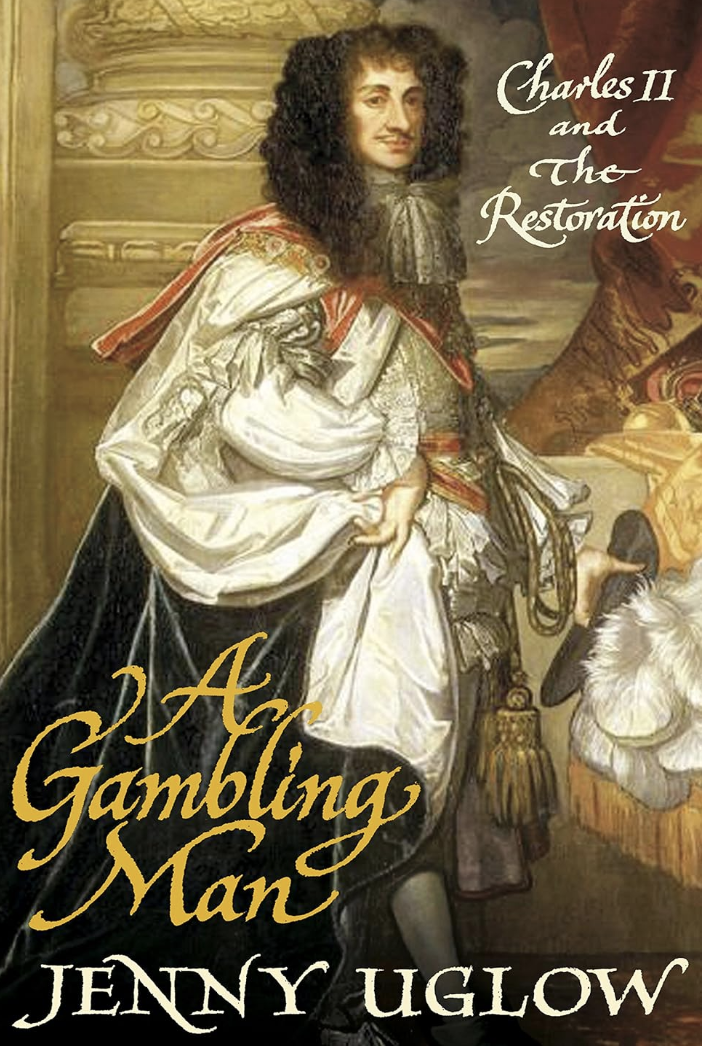
Biography of the year: A Gambling Man by Jenny Uglow (Pub’2009)
A portrait of society in the first decade of Charles II reign, you end up liking him and understanding the challenges he faced just to survive and not be executed like his father. 17 th century England was just as febrile and uncertain as our times. Possibly more so as “new media” (cheap print/fake news/misimformation) undermined trust then as now.
Best books about Japan
I read 10 books before visiting in April. Four illuminated different aspects of a culture that is fascinatingly different ( and now not that expensive to visit). Pure Invention by Matt Alt: reveals quite how much our popular culture and innovation is originally Japanese. The Meaning of Rice by Michael Booth is about food culture and so much more, notably a dedication to excellence in all things. A Stranger in Shogun’s city by Amy Stanley shows through dogged scholarship and storytelling what it was like to live as a woman without many resources in 19th century Ido (Tokyo). Kokoro by Natsume Soseki – a novel about the relationship between a young man and his sensei ( teacher), who has a secret. Very Japanese.
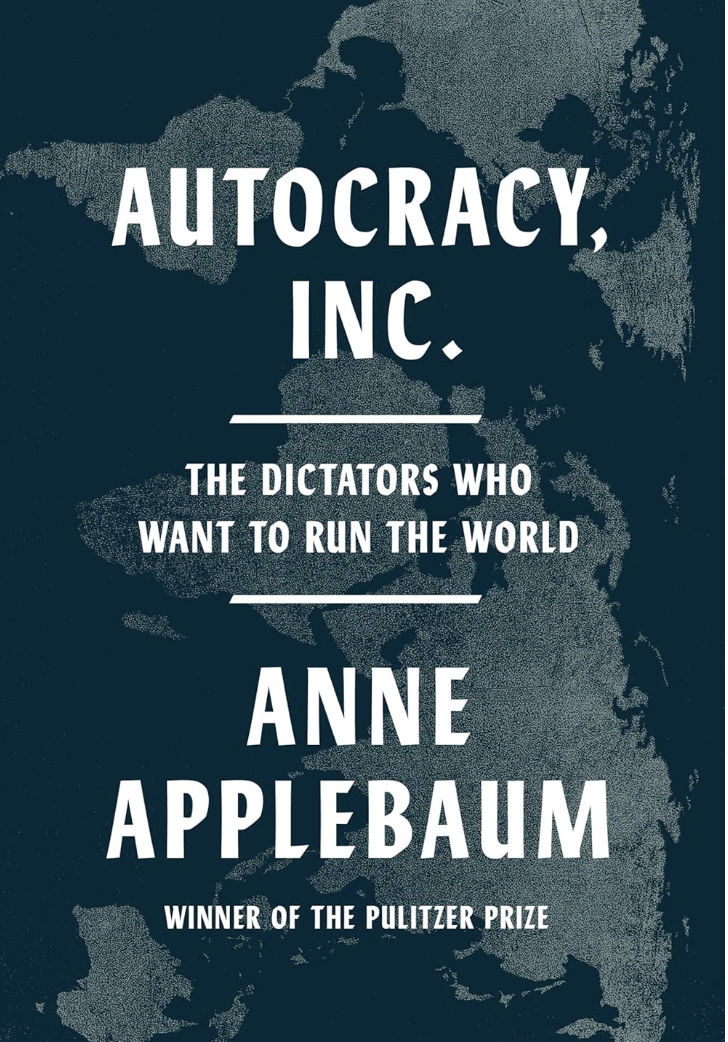
Best book about politics/power now: Autocracy Inc by Ann Applebaum
Applebaum joins the dots and shows how autocrats cooperate and are working towards an alternative system. Is this a sigh of weakness or an emerging new world order? Autocrats don’t have much in common except a desire to hang onto power. So it’s too early to tell. This is a well researched update from Applebaum and a quick read. Watch to see what she has to say in future on this topic. My runner up is The Making of the Middle East by Jeremy Bowen – an even handed account (in my opinion-others may differ) which explains the background to the current parlous situation. (Well informed, Bowen surely has one of the toughest jobs in journalism)
I also enjoyed and can thoroughly recommend:
Long Island by Colm Toibin- if you loved his novel Brooklyn you will love this. Red Memory by Tania Branagan: how the horrors of the cultural revolution are buried/supressed and yet resurface in Chinese society. 1599. A year in the life of Shakespeare by James Shapiro: you can almost smell what it was like to live in london and be mad about theatre in late Tudor times. (These days i find i enjoy “narrow and deep” studies more- like Who Dares Wins)
So a great year of reading. Thanks to David Muir for recommending Toy Fights and Red Memory. Do let me know your top tips.
 joinedupthink