Books of the Year 2025

My list for the year comes to 30 – with a few fat books amongst them (such as Charles Moores one volume biography of Margaret Thatcher of which more in a minute). I have been cutting back on journalism (or falling down rabbit holes on social media) in order spend more time reading books, which are more satisfying and stand the test of time.

That said, I can read a novel and not remember much about it a few months later. So my novels of the year are the ones that stay with me. The ones that stick.

Best Novel: The Granddaughter by Bernard Schlink: on the death of his wife a West German man discovers that she had secret life in the former East Germany before he met her. What follows is dark journey in which he encounters Neo-nazis and a long lost step granddaughter. It is both a story of modern united ( but still disunited) Germany and an emotional rollercoaster.

Runner Up Novel : Lessons by Ian McEwan. How our early experiences can mark us and affect us for life. Maybe this one sticks with because it is a whole life story about a man now of a certain age ( like me)

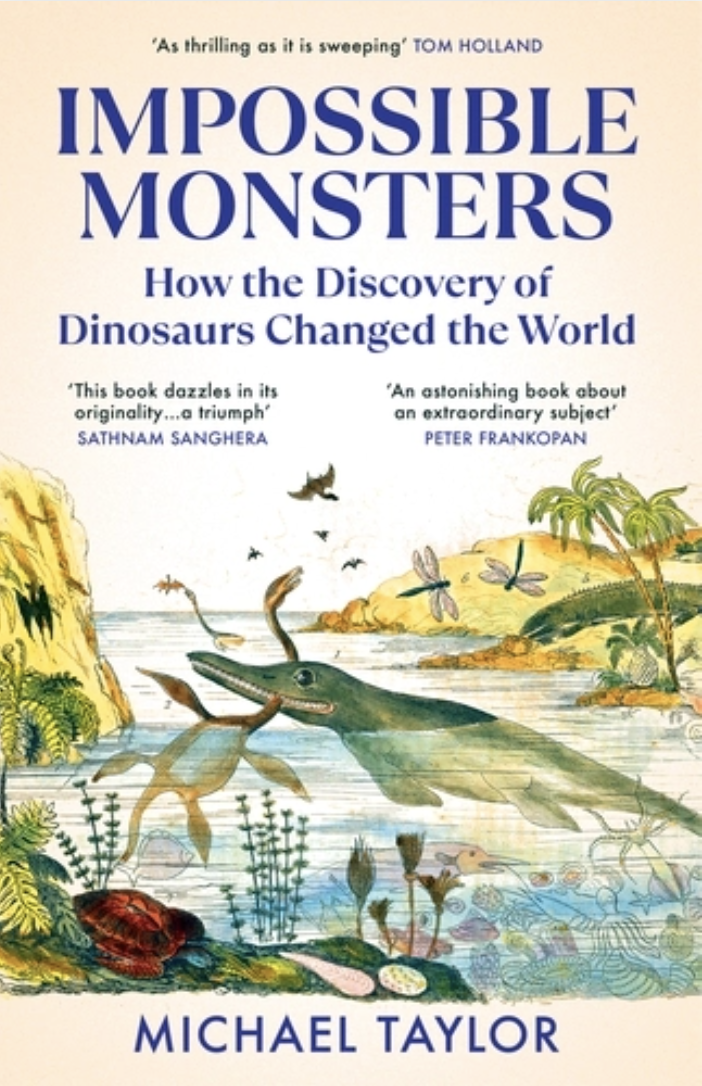
Best History Book: Impossible Monsters by Michael Taylor. How the discovery of dinosaurs in the UK and USA in the nineteenth century was controversial, questioned Christain orthodoxy about the origins of the universe and paved the way for Darwin. A great cast of characters

Runner up History book 1: Worldly Goods by Lisa Jardine – a new history of the renaissance. The Renaissance was really fuelled by wealthy and powerful men and their conspicuous consumption ( of rare books in particular). To them artists were mere craftsmen at their beck and call.

Runner up History book 2: The Merchant of Prato by Iris Origo. Over 100,000 documents detailing the life of a 14th century Italian merchant have been turned into a vivid account of a life. I first read this book 30 years ago. I can think of no other books that gives you such a sense of what it was like to live, work and survive in medieval times.

Best memoir. English Pastoral by James Rebanks. A beautifully written book about several generations of hill farmers (including the author) which is also an analysis of what has gone wrong with agriculture in the post war period. One of those rare books that makes you want to campaign for sustainability and is a revelation for townies like me

Runner Up Memoir; Free by Lea Ypi. Growing up in communist Albania followed by the chaos of its collapse as it opened up to the market. Makes you feel grateful to live in a relatively stable wealthy western democracy

Best book about politics: The Day of the Predator by Guilio Da Empoli. The author likens our times to 15 th century Italy in which only the ruthless & violent succeed and those who think the rules matter get trampled. Not a good time for lawyers. This is an FT book of the year and less that 150 pages long.

Best book about China: Red Emperor – a biography of Xi Jinping by Michael Sheridan. I go to China regularly as my son lives there and read several books about this huge diverse civilisation every year. Modern China is made in the image of Xi and his character explains a lot about the direction it has taken in the past decade and is likely to take in the next. He is therefore the most consequential politician alive today and will outlast Trump as much as he predates him. This book is both a biography and a potted history of China since the 40s. It moves quickly as it has a lot of ground to cover.

Best book that it is not easy to categorise: Mudlarking. Lost and found on the river Thames by Lara Maiklem . Over 15 years the author mudlarked along the river Thames. It is extraordinary what the river throws up and the layers of history that are thus revealed

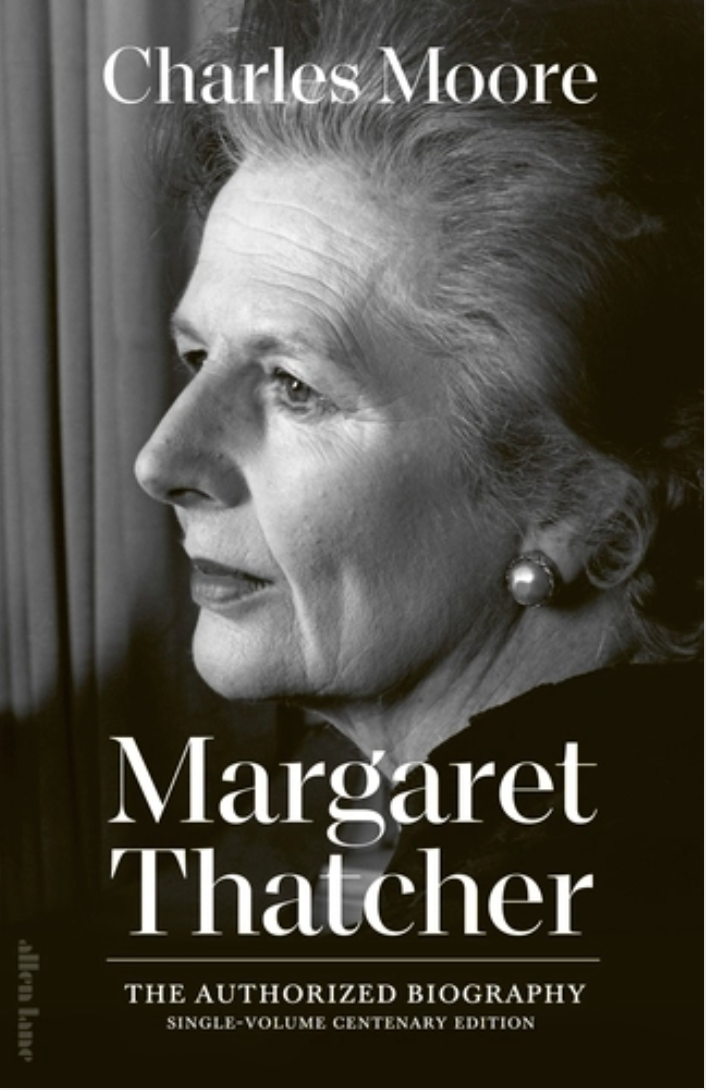
Best Biography and best book of 2025: Margaret Thatcher by Charles Moore single volume edition. The tragedy of The Conservative Party is that its current politicians cosplay a mythic version of Margaret Thatcher. This book tells you what she was really like and gives you insight into how power is really exercised. It is also a story of our times. Much credit should go to Thatcher for the quality of the book – she allowed the author full access to her archive, made introductions to other people of power and influence who might be reluctant to talk and exercised no editorial control

A great client is often the unsung hero.

All the tutors agreed that this was a vintage year for the AIA Diploma – due of course to the talents and hard work of our students. But there was one thing that really made a difference this year – a great client.

During the Diploma students work on a live brief – and at the end they present their insights and ideas. This year we were lucky to have Hemma Gooljar (in the centre of the pic’ in pink) of Smartworks– a great and highly relevant charity that helps women get back to work. It offers free interview appropriate clothing and interview preparation for women who are out of work or on zero hours contracts.

The brief was to develop a plan to launch the new Bristol office for a small budget.

What Hemma did was to make it possible for all the students to visit a Smartworks office, meet the people who volunteer and hear the stories of the women whose lives are transformed by that vital boost of self-confidence required to win a new job ( many had applied for as much as 30 jobs without getting shortlisted- that’s gotta grind you down!)

This was no mean logistical exercise – it requires effort to organise such an experience for a large number of people. Often this doesn’t happen on projects – too difficult, too time consuming, too busy

But, thanks to Hemma, boy did it pay off. Most of the students made the visit and it shined through in their ideas and the conviction with which they presented.

The timeless lesson for strategists is this:

Get out of the office. Nothing quite beats the live experience of a product or service as well as its customers and the people who work for the brand. You nearly always learn something that you could not get from looking at a screen or just reading a report. The live experience is also the essential stimulus which triggers an idea that feels right for the brand.

If you look at any outstanding work the unsung hero behind it will nearly always client who made it possible.

Some things don’t change – but they can get forgotten in our world of private screens and messages

Books of the year 2024

Three years ago I cut back on journalism in order to spend more time reading books. I have never regretted it. You could have wasted a lot of time reading about the US elections in ’24. Much of it hopeful thinking about a win for Kamala Harris. Interestingly Dominic Sandbrook called it right. He predicted a Trump win and is the author of my history book of the year

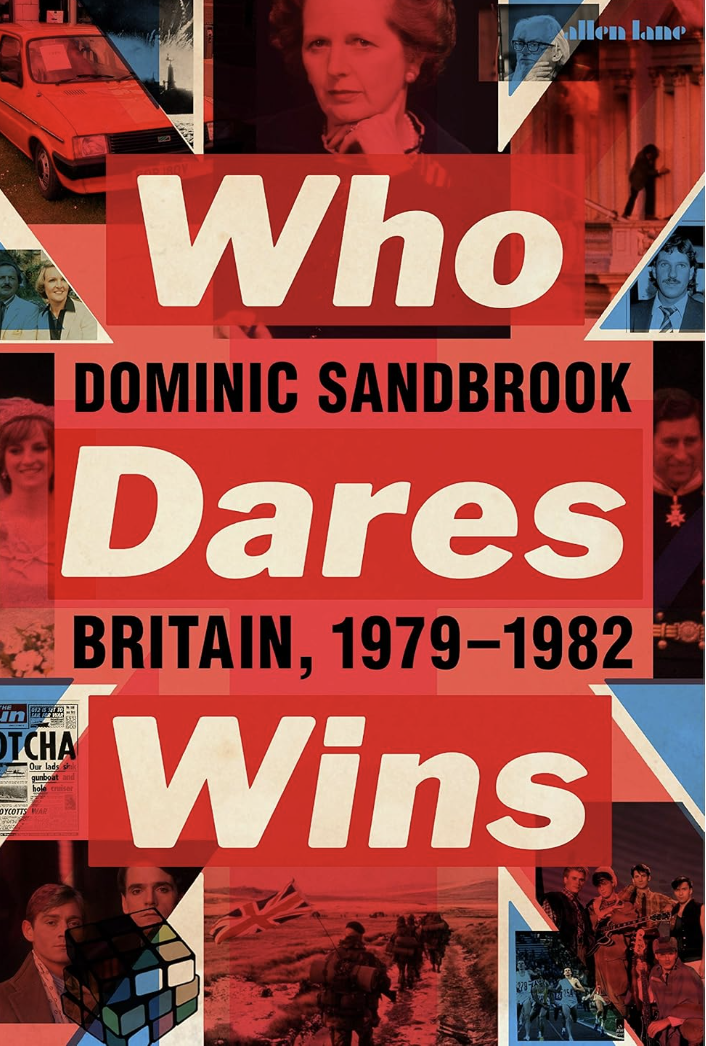
History book of the Year: Who Dares Wins by Dominic Sandbrook (pub: 2019)

It’s his masterpiece, focussed on just three years of the first Thatcher administration (79-82). A thick book at 800+ pages, it is trademark Sandbrook in giving you a portrait of the whole society ( Music, TV, Tech’, life as it was lived) as well as politics and economics. It reads like a novel. Geoffrey Howe emerges a man with a backbone, while Thatcher flip-flopped on the economy (not what you might have thought due to Thatcher mythology). The book closes with 100 pages on the Falklands war – a version of events that you could not have gleaned from contemporary journalism. But then truth always has been the first casualty of war. My runner up for history book of the year is Times Like These by Jenny Uglow– a Sandbrookian portrait of British society at war with France at the turn of the 18th century.

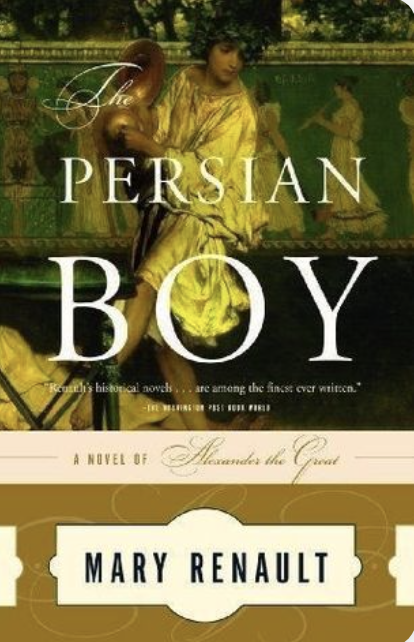
Novel of the year: Persian Boy by Mary Renault (pub 1972)

Revered by other historical novelists, I finally got round to reading it whilst on holiday in Greece. Renault read all the scholarly literature about Alexander the Great before giving us this surprising portrait from the perspective of his eunuch lover, Bagoas. There is plenty of sex and violence- the former quite coy and the latter vividly graphic. You will not find a better historical novel, although Pachinko by Min Jin Lee runs it close. I learnt much about the status of Koreans in Japanese life during and after the second world war ( The TV serialisation is also excellence)

Novela of the year: Killing Time by Alan Bennet. (Pub’ 2024)

Listen to the audiobook read by the man himself to experience his distinctive dry wit. It is set in an old people’s home as its occupants shuffle off this mortal coil and it is almost as great as Mrs Palfrey at the Claremont by Elizabeth Taylor (pub’ 1971) – a brutally funny portrait of old age and our final days. (one of my books of the year 2023)

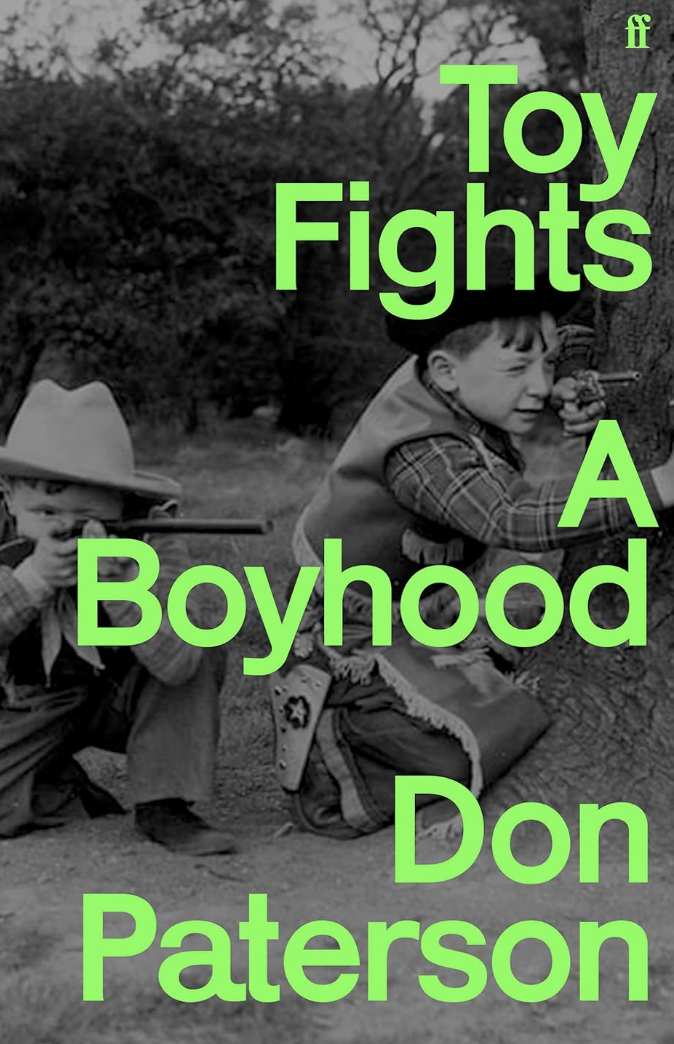
Memoir of the year: Toy Fights by Don Paterson. (Pub’2023)

At first sight this is a misery memoir of growing up very poor on a council estate in Dundee. It is also funny and cutting. The language is freshly minted and sharp as you might expect of a leading poet. I re-read The Kindness of Women by JG Ballard ( strictly speaking a novel but essentially an autobiography) – any thing by Ballard is worth reading. I think we will be reading him long after we have forgotten about Martin Amis

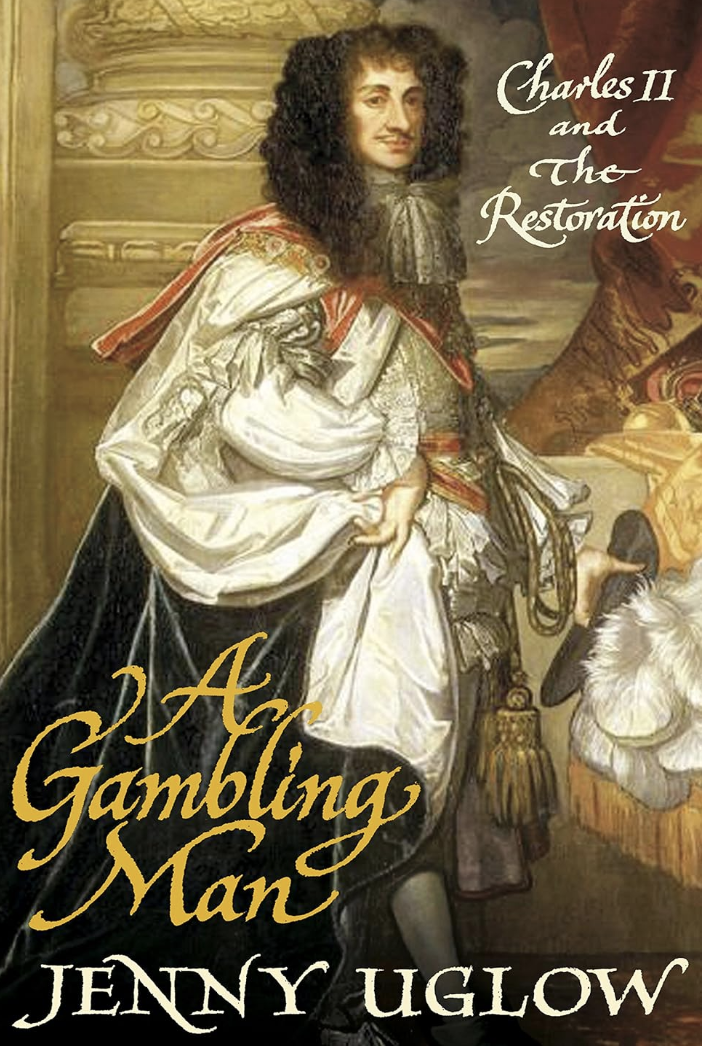
Biography of the year: A Gambling Man by Jenny Uglow (Pub’2009)

A portrait of society in the first decade of Charles II reign, you end up liking him and understanding the challenges he faced just to survive and not be executed like his father. 17 th century England was just as febrile and uncertain as our times. Possibly more so as “new media” (cheap print/fake news/misimformation) undermined trust then as now.

Best books about Japan

I read 10 books before visiting in April. Four illuminated different aspects of a culture that is fascinatingly different ( and now not that expensive to visit). Pure Invention by Matt Alt: reveals quite how much our popular culture and innovation is originally Japanese. The Meaning of Rice by Michael Booth is about food culture and so much more, notably a dedication to excellence in all things. A Stranger in Shogun’s city by Amy Stanley shows through dogged scholarship and storytelling what it was like to live as a woman without many resources in 19th century Ido (Tokyo). Kokoro by Natsume Soseki – a novel about the relationship between a young man and his sensei ( teacher), who has a secret. Very Japanese.

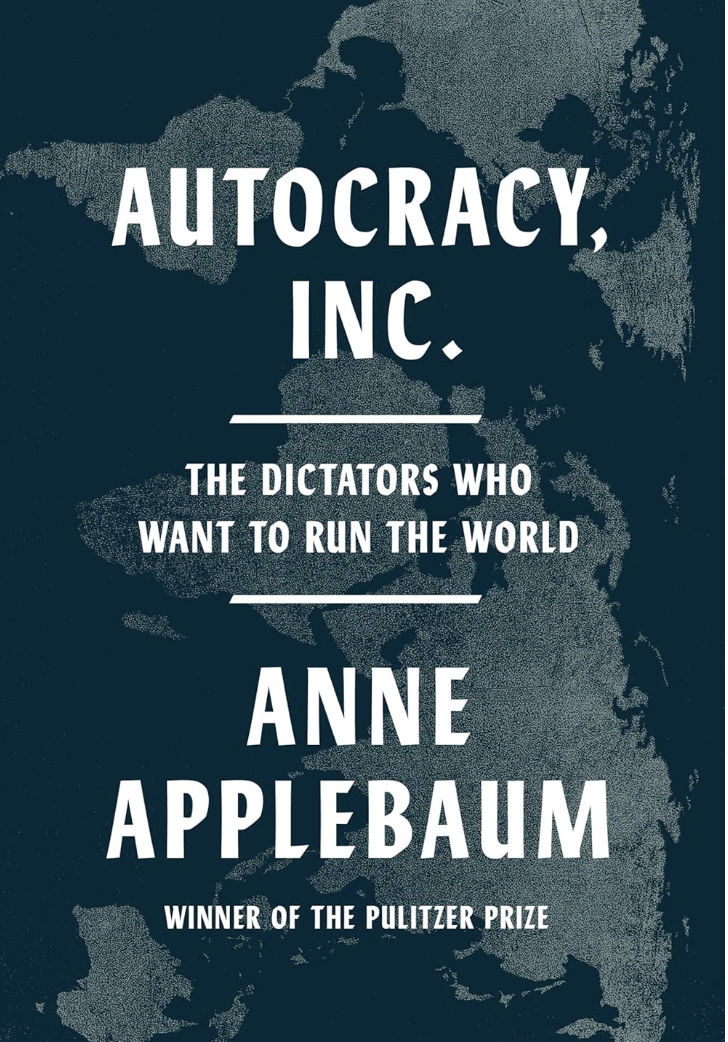
Best book about politics/power now: Autocracy Inc by Ann Applebaum

Applebaum joins the dots and shows how autocrats cooperate and are working towards an alternative system. Is this a sigh of weakness or an emerging new world order? Autocrats don’t have much in common except a desire to hang onto power. So it’s too early to tell. This is a well researched update from Applebaum and a quick read. Watch to see what she has to say in future on this topic. My runner up is The Making of the Middle East by Jeremy Bowen – an even handed account (in my opinion-others may differ) which explains the background to the current parlous situation. (Well informed, Bowen surely has one of the toughest jobs in journalism)

I also enjoyed and can thoroughly recommend:

Long Island by Colm Toibin- if you loved his novel Brooklyn you will love this. Red Memory by Tania Branagan: how the horrors of the cultural revolution are buried/supressed and yet resurface in Chinese society. 1599. A year in the life of Shakespeare by James Shapiro: you can almost smell what it was like to live in london and be mad about theatre in late Tudor times. (These days i find i enjoy “narrow and deep” studies more- like Who Dares Wins)

So a great year of reading. Thanks to David Muir for recommending Toy Fights and Red Memory. Do let me know your top tips.

Innovation in the circular economy

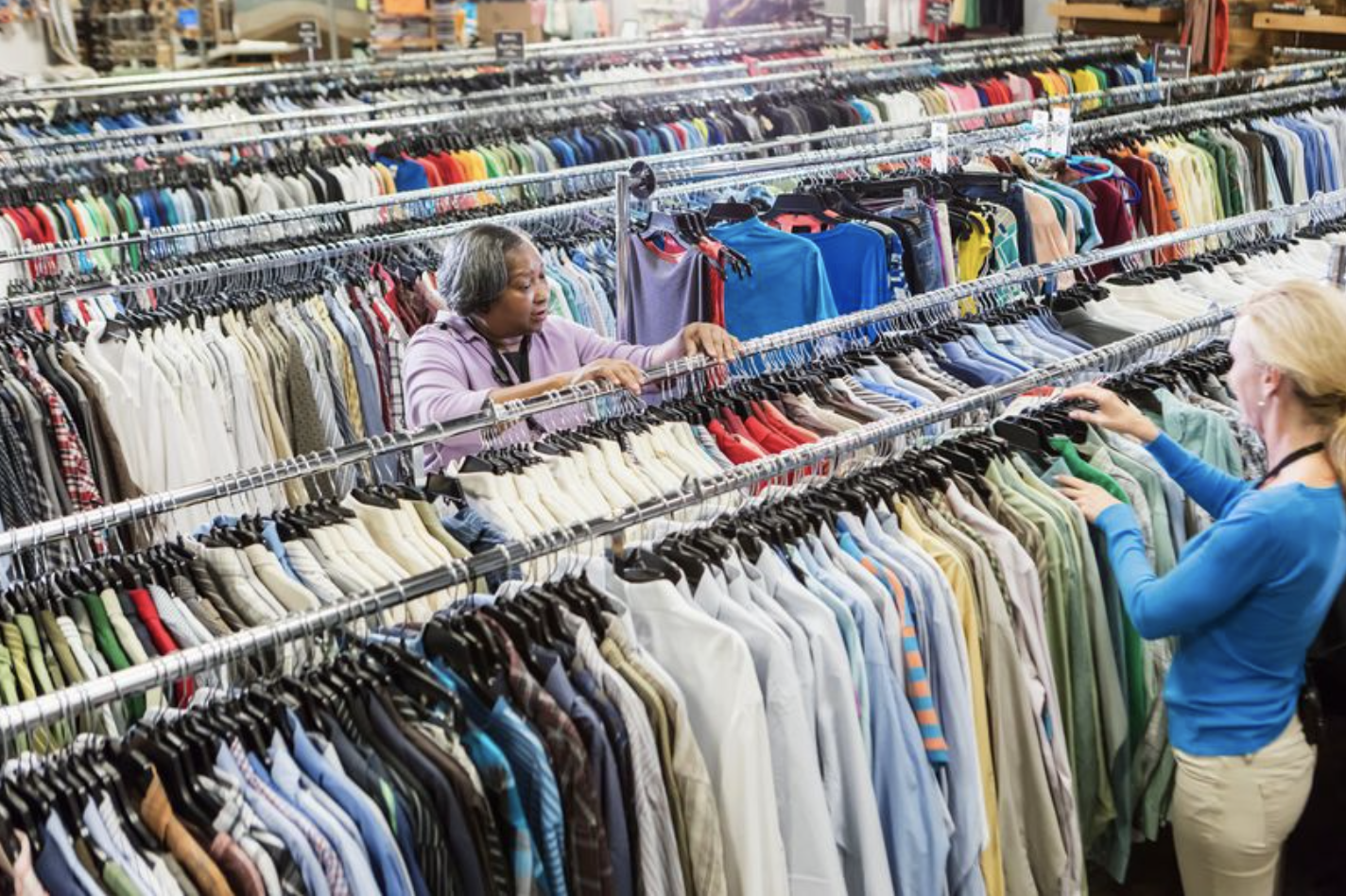
Ever since I identified the circular economy as my trend of the year for 2022 I have noticed more and more innovation. The latest is an idea whose time has surely come – a charity supermarket which will appear as a pop up in Brent Cross .

It hits several sweet spots:- doing good by raising money for charities big and small, saving money ( especially important right now- but always important really) and the environment ( using clothes for longer before they get thrown away)

The huge range means that browsers are likely to find something in their size and to their taste ( whereas with smaller charity shops the odds are longer. More of a lucky dip).

(Incidentally, big range is already a feature of Oxfam bookshops – which receive so many donations they are able to retail a good selection.)

Hot in 2022: Why the circular economy will grow, everywhere

The “circular economy” involves sharing, leasing, repairing, refurbishing and recycling. It is an antidote to “the throw away economy” that so blights our environments and ends up in landfill.

It develops naturally in times of shortage and low incomes. My grandmother would have called it “make do and mend”. Today the circular economy is about both saving money and doing our bit for the environment. These are big drivers of change making it an opportunity (or a necessity) in many categories.

eBay is an early hero of this movement, as is whoever rebadged “second hand clothes” as “vintage”. My local WhatsApp group, started as a community notice board during the pandemic, has also become a place where we give away things to neighbours that we used to throw away. Signs of the circular economy are emerging in many categories 

Ikea now buys back used products and offers customers both “assembly” and “disassembly instructions”

BikeFlip delivers used children’s bikes and swaps them out for larger models as your children grow

Nudie Jeans– offers free repairs for all their jeans at their shops

Chilly bottles -desirable refillables to cure you of your plastic bottle buying habit.

Even the kings of overpriced, over consumption- Apple– are now doing trade ins. It quite a change from when they just used to sell you a bright shiny new model every year.

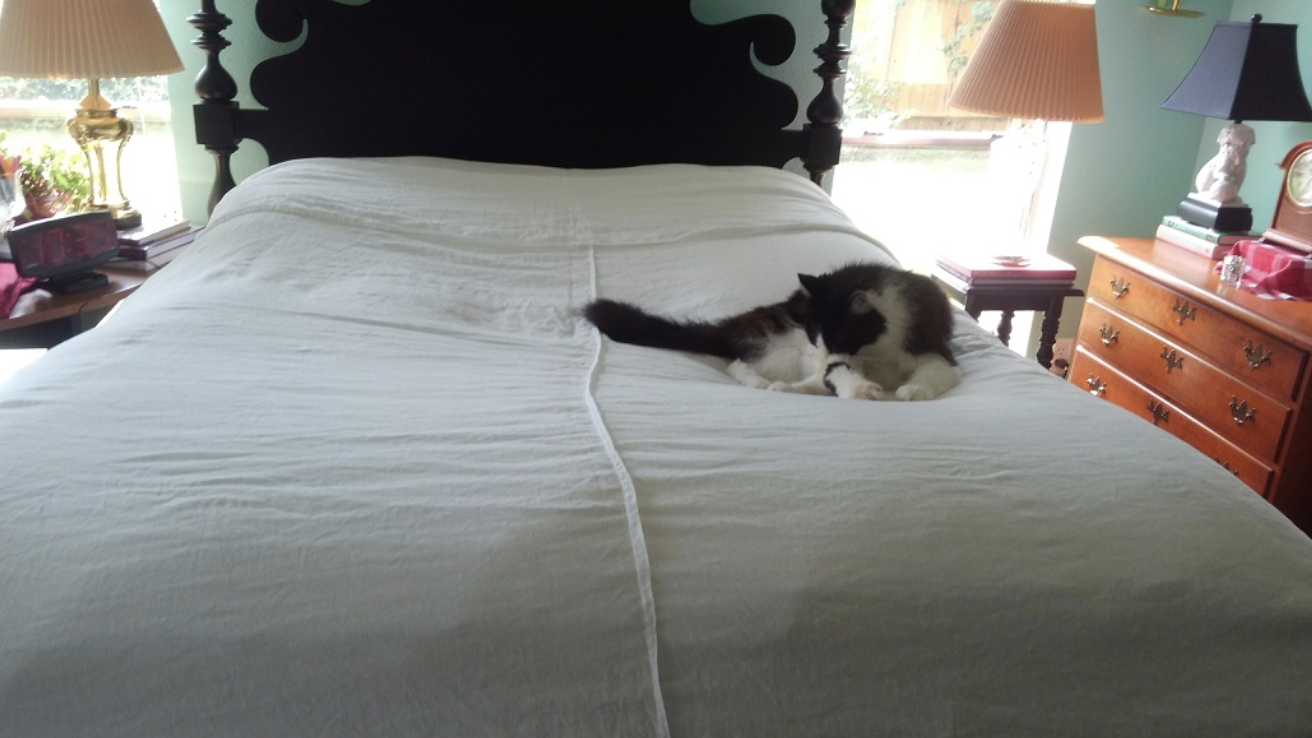
Sides to middle sheets (See picture)- The circular economy of an earlier generation. My grandmother always used to cut worn bed sheets down the middle and then stitch the sides to the middle. You did end up sleeping on a seam but the sheets lasted twice as long. Perhaps a new service from your local dry cleaners ?

The Metaverse: tech hype or future reality

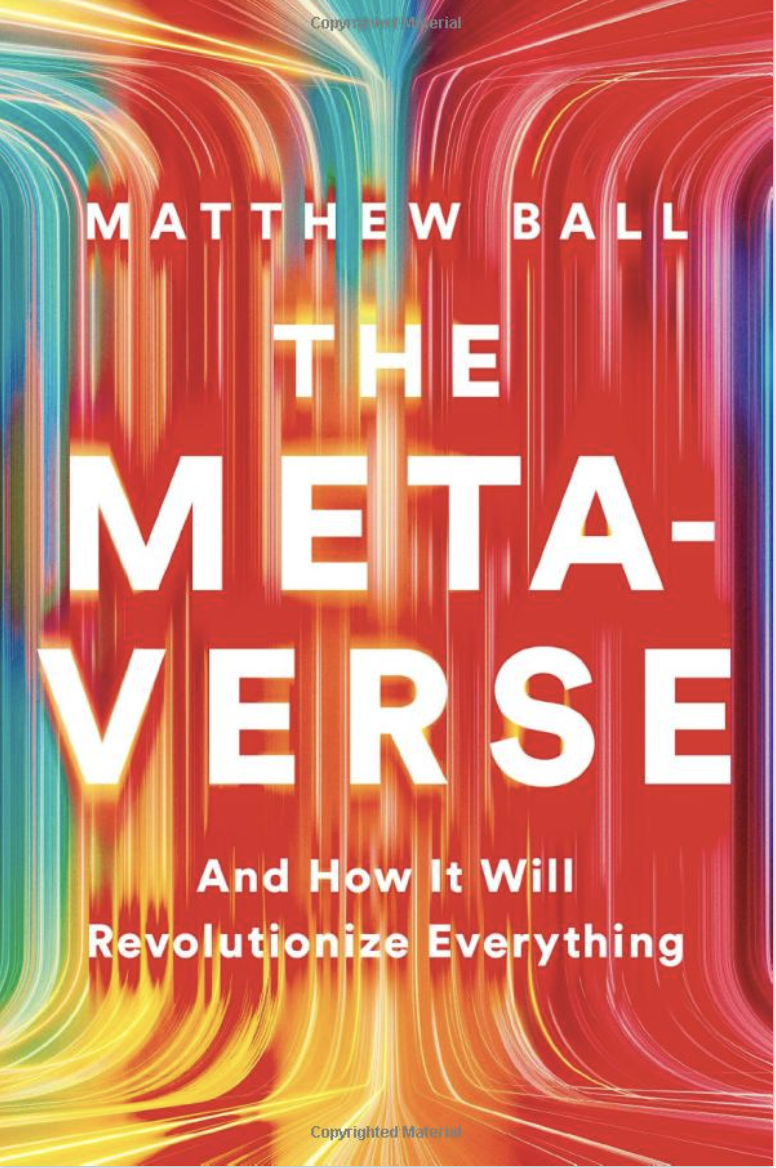
The Metaverse is not going to arrive any time soon and, when it does, it wont (probably) won’t be called that. Matthew Ball’s excellent new book is good primer (for non-tecchies) on the architecture of the The Internet, its limitations today and the kind of tech breakthroughs that are going to be needed to realise the promise of The Metaverse.

But it could be transformative – bear in mind that we are limited by what we can imagine now.

Just 15 years ago, we could not conceive of today’s mobile, location based web of text, images and video before the arrival of the transformative 4G smartphones.

The next decade is bound to bring more tech breakthroughs that will lead in unanticipated directions. The Internet is a surprise generating machine

My review of his book has just been published by Aurora here

What sustainability means for brand reputation

My students on the AIA Diploma have been working on a live sustainability brief for a well known brand (I can’t say which as it is covered by an NDA). I have had a think about this topic, which I have just published in Aurora here.

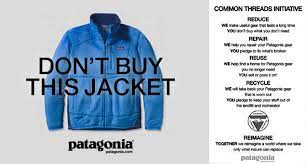
Most old brands are encumbered by legacies of bad practice – but for a few, newer challenger brands, like Patagonia (pictured), there is an opportunity to transform those categories with particularly dire track records ( like apparel)

My top tips on making procurement work for you

I confess that my heart did not quicken when Aurora in Pakistan asked me to write on this topic. But, as the saying goes, there are no boring topics just boring minds. As I thought and researched more, two things emerged

  1. The best outcomes are achieved through good relationships .This of course goes for most things in the creative industries- it is vanishingly rare for great work to be produced out of a poor agency/client relationship
  2. There is plenty of good free advice available. Especially in the UK thanks to the IPA. Just go to their website and search ” procurement” to find videos and papers -below is a screen grab of what you might find :

For my full article on procurement in Aurora – click here

Coming soon two new articles to be published by Aurora

“To have a good idea you need lots of ideas”. How and why strategy has to be creatively fertile including my favourite idea generating methods

“What sustainability means for brands” – My students on the AIA diploma course have been working on a (confidential) sustainability brief – these are my reflections on how brands in general should think about sustainability

I will post links after Aurora have published